

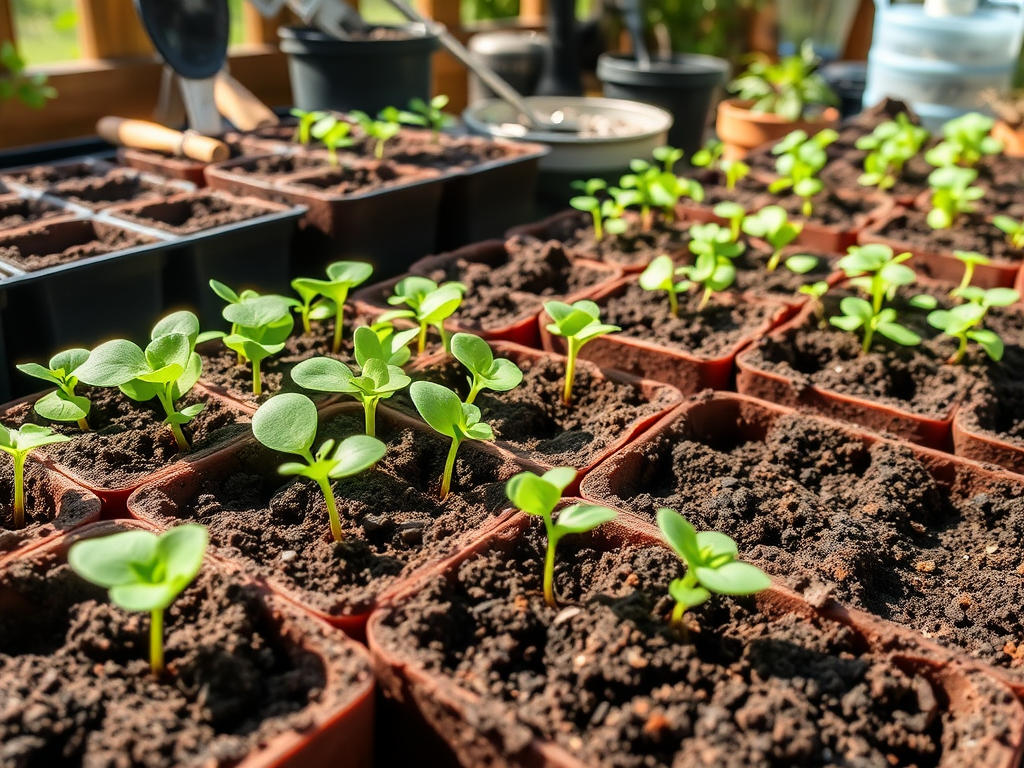
If you’re an avid gardener or just starting out with growing your own plants from seed, you may have heard of soil blocking. This method of seed starting is gaining popularity among home gardeners and professional growers alike, and for good reason. Soil blocking eliminates the need for plastic seed trays, promotes healthier root systems, and leads to stronger transplants. Let’s explore the benefits of soil blocking and why you might want to give it a try.
1. Eliminates the Need for Plastic Containers
One of the biggest advantages of soil blocking is that it reduces reliance on plastic seed trays and pots. Traditional seed-starting methods often require plastic cells or trays, which can crack, degrade, and ultimately contribute to plastic waste. Soil blocks, on the other hand, are formed using a special mold that compresses a soil mixture into self-sustaining cubes. This eco-friendly approach helps cut down on plastic use and reduces the clutter of storing seed trays year after year.
2. Promotes Healthier Root Systems
A major drawback of starting seeds in traditional plastic cells is the potential for root circling. When roots reach the edge of a plastic container, they tend to grow in circles, leading to root-bound plants that may struggle when transplanted. With soil blocking, roots naturally stop growing when they reach the air around the block’s edges—a process called “air pruning.” This encourages the development of a stronger root system, making plants more resilient and better suited for transplanting into the garden.
3. Reduces Transplant Shock
Transplant shock is a common problem when moving seedlings from containers into the garden. Because soil blocks allow for easy removal without disturbing the roots, seedlings experience minimal disruption during transplanting. This results in a smoother transition to the garden, faster establishment, and less stress on young plants.
4. Encourages Stronger, More Vigorous Plants
Since soil blocks are densely packed with a nutrient-rich soil mixture, seedlings often grow more robustly compared to those in traditional seed trays. The improved root structure, combined with better aeration and drainage, leads to stronger, healthier seedlings that are more prepared to thrive once planted in the garden.
5. Saves Space and Resources
Soil blocks take up less space than plastic seed trays, making them ideal for gardeners with limited room. Additionally, since they encourage better water retention and drainage, they require less frequent watering, saving time and effort. Many gardeners also find that soil blocks lead to more uniform germination and growth, creating a more efficient seed-starting process overall.
How to Get Started with Soil Blocking
To start soil blocking, you’ll need a soil blocker tool, a well-balanced soil mix designed for soil blocks, and a flat surface for pressing the blocks. Once the blocks are formed, simply place seeds in the small indentations on top and keep them evenly moist until germination. With a bit of practice, soil blocking can become an essential part of your gardening routine.
Conclusion
Soil blocking is an eco-friendly, space-saving, and plant-friendly method of starting seeds. By eliminating plastic waste, promoting strong root development, and reducing transplant shock, this technique provides a host of benefits for both beginner and experienced gardeners. If you’re looking for a better way to start your seeds, soil blocking is definitely worth trying!
Have you tried soil blocking? Share your experiences in the comments below!
 Hoffmann Homestead
Leave a comment